

Research area: Communication and Society

Debate on a social media ban: Preventive regulation, but at a European level!
A study by the bidt found that 66 percent of people in Germany support a ban on social media for children under 14. But what form of regulation can adequately address this issue?


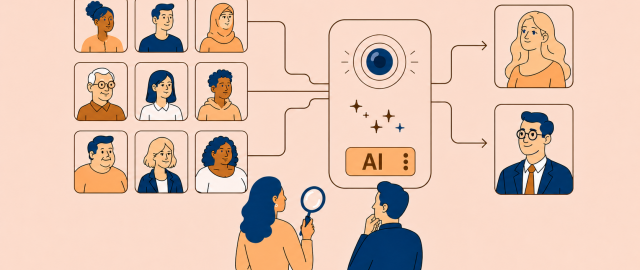
Does AI appear fairer than it actually is? Algorithmic representation biases in the media
When AI is used to generate text and images, it can result in stereotypical representations. This article highlights what such representational biases look like and how we can respond to them.

Interview with bidt researcher Steliyana Doseva: What can be done to combat online hate?
bidt researcher Steliyana Doseva explains why online hate silences people, which measures are effective, and what role platforms, politics and society play in this.


Digital Humanism – 2nd International Interdisciplinary Research Conference
The conference builds on the Digital Humanism Initiative, an international collaboration dedicated to fostering a community of scholars, policymakers, and industry leaders committed to ensuring that technological development…

A ban on social media for children and young people: public attitudes in Germany and Bavaria
The study by the bidt examines the attitudes of internet users towards a ban on social media for children and young people in Germany and also provides data comparing Bavaria with the rest of Germany.

Digital science communication: ways to achieve digital visibility (Part 1/2)
Digital visibility helps researchers make their work discoverable, build networks and reach a variety of audiences. This blog post outlines key approaches and formats for digital science communication.

Digital Science Communication: Strategies for Media Relations and Public Spaces of Conflict (Part 2/2)
Digital visibility can make research more effective, but also brings scrutiny, criticism and controversy. Good science communication therefore needs preparation, role awareness and strategies for dealing with public attention.