

Category: Blog

Debate on a social media ban: Preventive regulation, but at a European level!
A study by the bidt found that 66 percent of people in Germany support a ban on social media for children under 14. But what form of regulation can adequately address this issue?
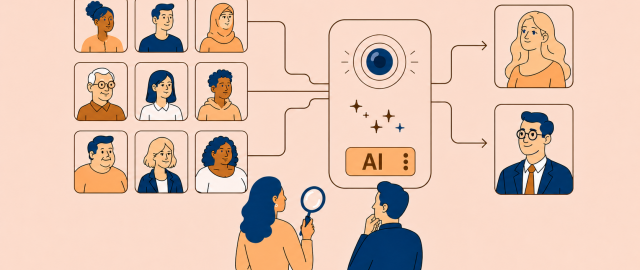
Does AI appear fairer than it actually is? Algorithmic representation biases in the media
When AI is used to generate text and images, it can result in stereotypical representations. This article highlights what such representational biases look like and how we can respond to them.

When dataintegration becomes power: Why a digital public sector is becoming not only more efficient, but also more powerful and more dependent
The state should no longer ask citizens for information that it already has. This is a promise and a step towards a public administration that makes better use of its own information.

Digital science communication: ways to achieve digital visibility (Part 1/2)
Digital visibility helps researchers make their work discoverable, build networks and reach a variety of audiences. This blog post outlines key approaches and formats for digital science communication.

Digital Science Communication: Strategies for Media Relations and Public Spaces of Conflict (Part 2/2)
Digital visibility can make research more effective, but also brings scrutiny, criticism and controversy. Good science communication therefore needs preparation, role awareness and strategies for dealing with public attention.

Chat control decoded: An interdisciplinary perspective
Since the European Commission first proposed chat monitoring, there has been disagreement about its possible implementation and the consequences of scanning communications for the purpose of protecting children.

General fitness of employees for the digital transformation: use of the bidt digital barometer self-assessment test of digital skills in companies
The short version of DigCompSAT from the bidt Digital Barometer has proven to be an effective tool in a pilot project for quickly and efficiently assessing the digital competence level of employees in a company.

The concept of trust in interdisciplinary research on human-AI interaction
How do we understand trust in AI in interdisciplinary research? This article addresses the conceptual ambiguity between different research disciplines and proposes a possible common working concept of trust in AI.

Between reconnaissance and manipulation: deepfakes in law enforcement
Generative AI also opens up completely new possibilities in law enforcement, including the use of deepfakes to infiltrate criminal organisations. But would this be technically possible, ethically justifiable and legally feasible?

What is explainable artificial intelligence? How explanations influence trust in human-AI interaction
How can AI decisions be made more understandable? This article uses examples to show how explanations can be used effectively in human-AI interaction and what role they play in building trust.